


Common signs include worn soles, uneven heels, loose stitching, or thinning leather. Early attention prevents more extensive damage.




In a world that buys quickly, it’s easy to forget that well-made shoes were never designed to be disposable. A good pair is built to last for years, moulding to your feet and improving with wear.
At Abbot’s Shoes, we believe repair is as important as craftsmanship itself. Understanding when and how to repair your shoes is one of the simplest ways to protect both your investment and the quality behind it.
In this edition of The Abbot’s Edit, we walk through the most common repairs that extend the life of your shoes, and when to consider them.
Well constructed footwear is designed with repair in mind. Traditional construction methods such as Goodyear welting, developed in the 19th century, make it easier for soles to be removed and replaced while preserving the structure of the shoe. This means a pair can be resoled multiple times throughout their life.
It is one of the reasons quality footwear continues to hold its value: it is designed not simply to be worn, but to be maintained.
The carbon footprint of modern fashion has become an increasingly important conversation, and footwear is no exception. Producing new shoes requires raw materials, water, energy, and transportation, all of which contribute to environmental impact. Repairing footwear offers a simple yet meaningful alternative. Extending the life of a pair of shoes by even a few years reduces the need for replacement and keeps valuable materials in use for longer.
Historically, repairing shoes was simply part of responsible ownership. Full-grain leather, natural rubber, and traditional construction methods were designed with longevity in mind, and discarding a pair simply because the sole had worn thin would have seemed wasteful.
Today, choosing repair reflects that same philosophy: respecting the materials, craftsmanship, and resources behind every pair.
Repair is not only good for the planet, it makes financial sense too.
Quality footwear is an investment, and repairing key components can dramatically extend its lifespan. In many cases, a relatively modest repair cost can add years of wear, delivering a far lower cost per wear than repeatedly buying new pairs.
There’s also the comfort factor. As leather softens and gradually shapes to the wearer’s foot it produces a fit that is almost impossible to replicate with something new. Repairing your shoes allows that comfort to continue.


Even the best shoes will eventually show signs of wear. The key is recognising when small issues can be addressed before they become larger problems and potentially cause more damage. A skilled cobbler can often restore a well-made pair with a few straightforward repairs:
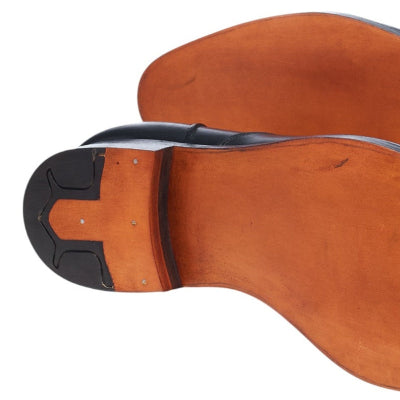
The sole takes the greatest impact with every step. Over time, it will wear down, often unevenly depending on your walking pattern.
Signs your shoes may need resoling:
For premium-quality shoes crafted using traditional construction methods, resoling is a routine procedure. A cobbler removes the old sole, carefully inspecting the underlying components, before fitting a replacement. Many skilled cobblers can even replicate the factory finish of the sole, maintaining the shoe’s original appearance.
You can learn more about different sole types in a previous Abbot’s Edit: Soles - The Foundation of Every Step.
Heels often wear down quicker than the rest of the shoe, particularly along the outer edge where most people naturally place their weight.
Signs your heels may need replacing:
Replacing the heel early helps maintain balance and prevents damage to the underlying heel block. Cobblers can advise on suitable replacement heels, often offering a like-for-like match.
Stitching plays an important role in maintaining the structure of a shoe, particularly around flex points where the leather moves as you walk.
Signs your stitching may need attention:
Addressing loose stitching early can prevent larger structural repairs later.
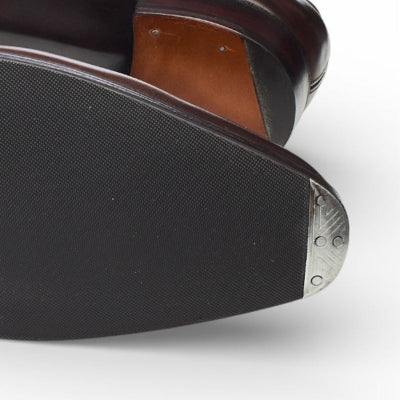
The front of the sole is often one of the first areas to show wear. Over time, this natural abrasion can thin the toe of the sole, eventually exposing the welt or upper if left unchecked.
Toe plates offer a discreet and highly effective solution. Fitted to the front of the sole, they act as a protective barrier, absorbing the impact and friction that would otherwise wear down the leather beneath. Popular options include metal toe plates such as Lulu or Triumph styles, each designed to provide durability while remaining relatively unobtrusive.
Benefits of toe plates:
Toe plates are a small addition that can make a meaningful difference, particularly for leather-soled shoes worn regularly in urban environments.
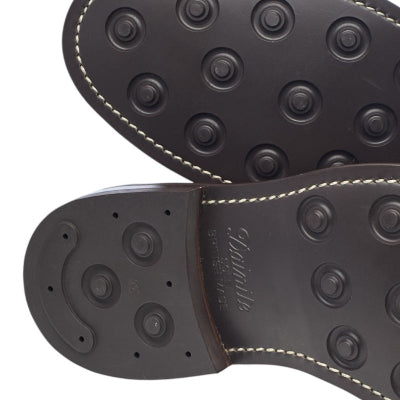
For those looking to preserve their soles from day one, stick-on soles, often referred to as protective or “Topy” soles, provide a practical and preventative option.
These thin layers of rubber are applied directly to the underside of the existing sole, creating a durable surface that takes the wear instead of the original material. They are especially popular on leather-soled shoes, where exposure to moisture and abrasion can accelerate wear.
Benefits of stick-on soles:
For many, stick-on soles strike a balance between preservation and usability, allowing shoes to be worn more freely without compromising their longevity.
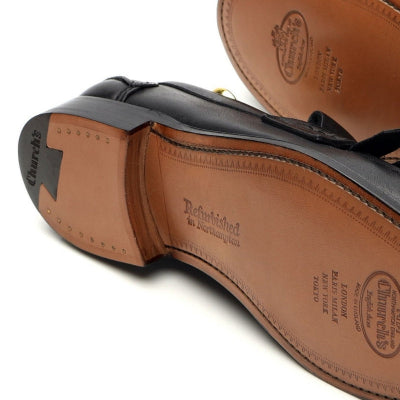
Many of the brands we stock, including Church’s,Crockett & JonesandTricker’s offer their own factory refurbishment services.
This is often the highest level of restoration available.
Shoes are returned to the original manufacturer, where they can be:
Because the work is carried out by the original maker, using the same techniques and patterns, the results can be exceptional.
For high-end shoes, this is often the closest option to returning them to “as new” condition.
Repair rather than replace whenever the upper of the shoe remains in good condition. If the leather and overall structure are sound, most wear can be addressed through resoling, heel replacement, or minor repairs and restoration.Virtually any shoe component can be repaired or replaced, so if in doubt, a professional cobbler can advise whether repair is economical and appropriate.
At Abbot’s Shoes, we believe that truly great footwear is made to last. That’s why every pair in our collection is chosen for quality, craftsmanship, and traditional construction methods. Shoes built with Goodyear welts, Blake stitching, or other repairable methods aren’t just beautiful, they’re made to be maintained, restored, and worn for years to come.
Every pair of preowned shoes is carefully refurbished and restored before it reaches our customers. Minor repairs, whether a worn heel, stitching, or resole are completed by some of the best cobblers, ensuring each shoe is ready to be worn, while preserving its character. You can explore our carefully restored preowned shoes below:


In this edition of The Abbot's Edit, we explore why suede deserves a permanent place in your summer wardrobe, how to wear it well, and how a little care will keep it looking exceptional for years to come.

When it comes to fine footwear, the old adage "you get what you pay for" holds true, up to a point. But in the world of Goodyear-welted shoes, the relationship between price and quality isn't always linear. Whether you are starting your journey into traditionally made footwear or looking to expand your collection, understanding the price brackets of the shoemaking world is essential.
In this edition of The Abbot’s Edit, we break down what £300, £500, and £800 buys you on the high street, and how the "Abbot’s Advantage" allows you to step into a higher tier of luxury for a fraction of the cost.
In a world that buys quickly, it’s easy to forget that well-made shoes were never designed to be disposable. A good pair is built to last for years, moulding to your feet and improving with wear.
At Abbot’s Shoes, we believe repair is as important as craftsmanship itself. Understanding when and how to repair your shoes is one of the simplest ways to protect both your investment and the quality behind it.
In this edition of The Abbot’s Edit, we walk through the most common repairs that extend the life of your shoes, and when to consider them.


