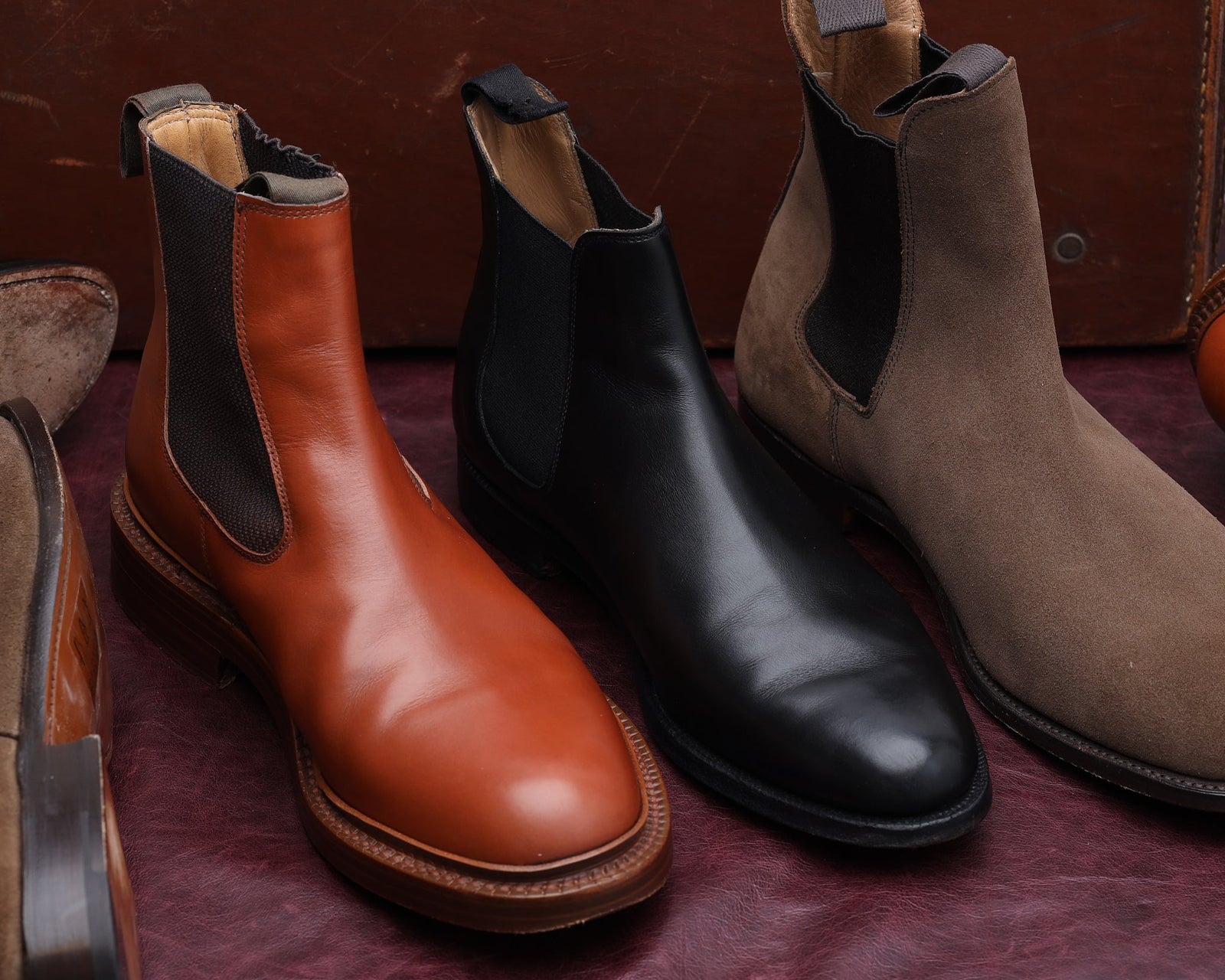



For this instalment of The Abbot's Edit, we delve into the boot that has travelled from the Royal court to the recording studio, exploring the history, anatomy, and styling of an undisputed classic - the Chelsea boot.
The origins of the Chelsea boot are distinctly British and surprisingly aristocratic. The elastic-sided boot was invented in 1851 by J. Sparkes Hall, the bootmaker to Queen Victoria. Hall designed the pull-on boot specifically for the Queen, who was frustrated by the cumbersome laces of her riding boots. He heralded the invention as "the best thing for walking and riding." The elastic gusset allowed for immediate on-and-off wear, eliminating the need for fiddly fastenings.
They were popular riding boots for decades, but their true transition into a fashion staple occurred much later. In the 1950s and 60s, a group of designers and artists frequented the King's Road area of Chelsea, London, adopting the boots as their signature footwear. When The Beatles famously wore a Cuban-heeled version, the style was instantly cemented in rock 'n' roll history, and the name 'Chelsea boot' was officially established.
What makes the Chelsea boot design endure? It is the clean, unadulterated silhouette. There are typically three core components that define this style:
Whether you choose finely polished leather Chelsea boots for formal wear or textured suede Chelsea boots for a more casual look, the minimalist design ensures the boots remain sleek, streamlined, and adaptable.


The Chelsea boot’s primary appeal lies in its incredible versatility. Unlike a lace-up boot, its smooth, uninterrupted upper means it can effortlessly bridge the gap between smart and casual attire.
The clean lines of a black or dark brown leather Chelsea boot make it an excellent substitute for an Oxford or Derby shoe.
When styling for downtime, the Chelsea boot provides an instant upgrade over standard trainers or casual lace-ups.
At Abbot's Shoes, we appreciate that true style is built on lasting quality. When choosing your next pair, look for boots with a Goodyear-welted construction, premium leather or suede, and a gusset that holds its shape.
An investment in the best Chelsea boots means choosing a pair crafted to last, taking you from a sharp city commute to a countryside weekend for many years to come.
Explore our recently uploaded curated collection of Chelsea boots and other timeless styles. From some of the world's finest shoe manufacturers, including: Tricker's, Crockett & Jones, R.M. Williams and more. You can browse our Chelsea boot collection here.


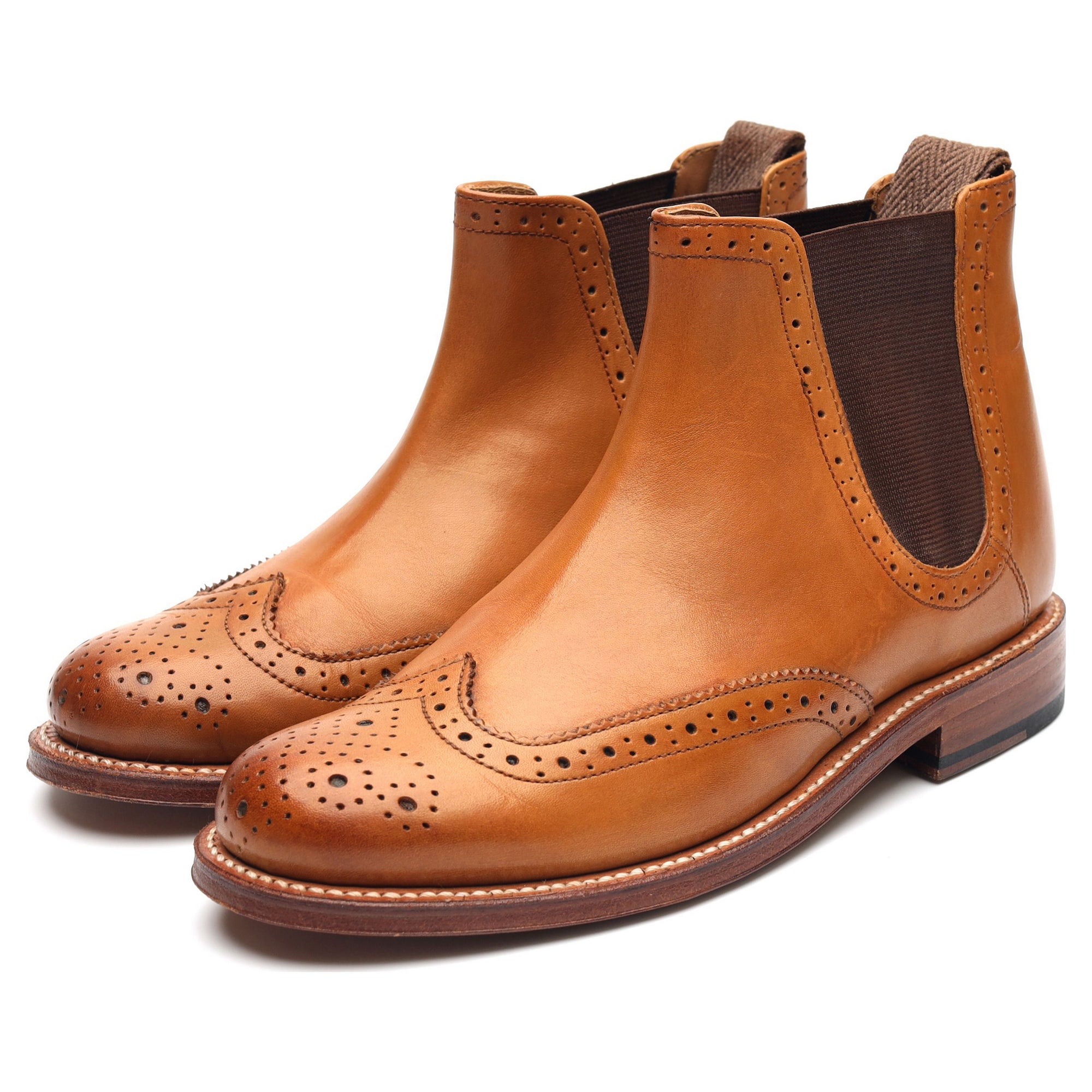
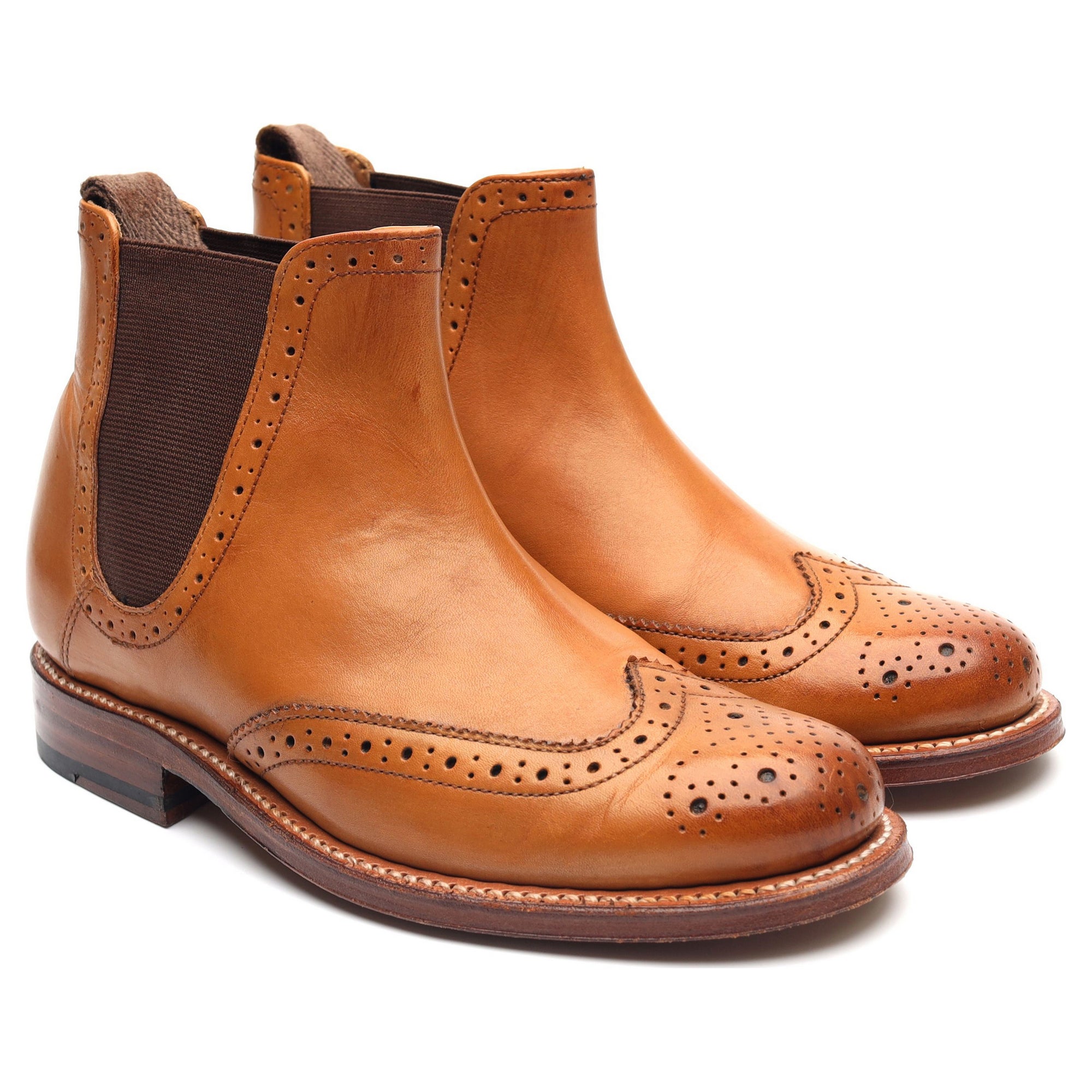

In this edition of The Abbot's Edit, we explore why suede deserves a permanent place in your summer wardrobe, how to wear it well, and how a little care will keep it looking exceptional for years to come.

When it comes to fine footwear, the old adage "you get what you pay for" holds true, up to a point. But in the world of Goodyear-welted shoes, the relationship between price and quality isn't always linear. Whether you are starting your journey into traditionally made footwear or looking to expand your collection, understanding the price brackets of the shoemaking world is essential.
In this edition of The Abbot’s Edit, we break down what £300, £500, and £800 buys you on the high street, and how the "Abbot’s Advantage" allows you to step into a higher tier of luxury for a fraction of the cost.

In a world that buys quickly, it’s easy to forget that well-made shoes were never designed to be disposable. A good pair is built to last for years, moulding to your feet and improving with wear.
At Abbot’s Shoes, we believe repair is as important as craftsmanship itself. Understanding when and how to repair your shoes is one of the simplest ways to protect both your investment and the quality behind it.
In this edition of The Abbot’s Edit, we walk through the most common repairs that extend the life of your shoes, and when to consider them.